
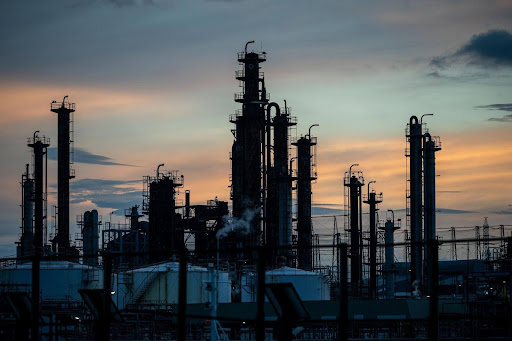
Iran is systematically closing the Gulf region’s oil export routes one by one, with Thursday’s strikes bringing the total number of disrupted or closed facilities to a level that is significantly tightening global crude supply. Brent crude responded by climbing back toward $100 a barrel, resisting the downward pressure of the largest emergency reserve release in the history of international energy cooperation. The supply squeeze is becoming more structural with each passing day of conflict.
Iranian forces struck the area around Oman’s Mina Al Fahal terminal, forcing the evacuation of all vessels from one of the last functional export points in the region. Iraq’s oil ports were shut following tanker attacks. Bahrain’s fuel storage in the Muharraq Governorate was hit, prompting shelter-in-place orders. The Thai vessel Mayuree Naree was struck near the Strait of Hormuz, leaving three crew members trapped.
Brent crude rose 9% Thursday to touch $100.29 before settling at $98. West Texas Intermediate gained 8.6% to $94.75. Oil has climbed from $60 at the year’s start to a peak of $119 this week. The Strait of Hormuz has been closed since February 28. Saudi Aramco warned of catastrophic market consequences.
The IEA released 400 million barrels of emergency crude from reserves held by 32 nations. The US contributed 172 million barrels from its Strategic Petroleum Reserve. Iran’s military warned of $200-per-barrel oil. President Trump pledged to continue military operations and said prices would come down.
Goldman Sachs raised its Q4 2026 Brent forecast to $71 per barrel. Deutsche Bank warned of stagflation risks. Japan’s Nikkei fell 1.6%, South Korea’s Kospi lost 1.2%, and European gas prices climbed 7.7%.