
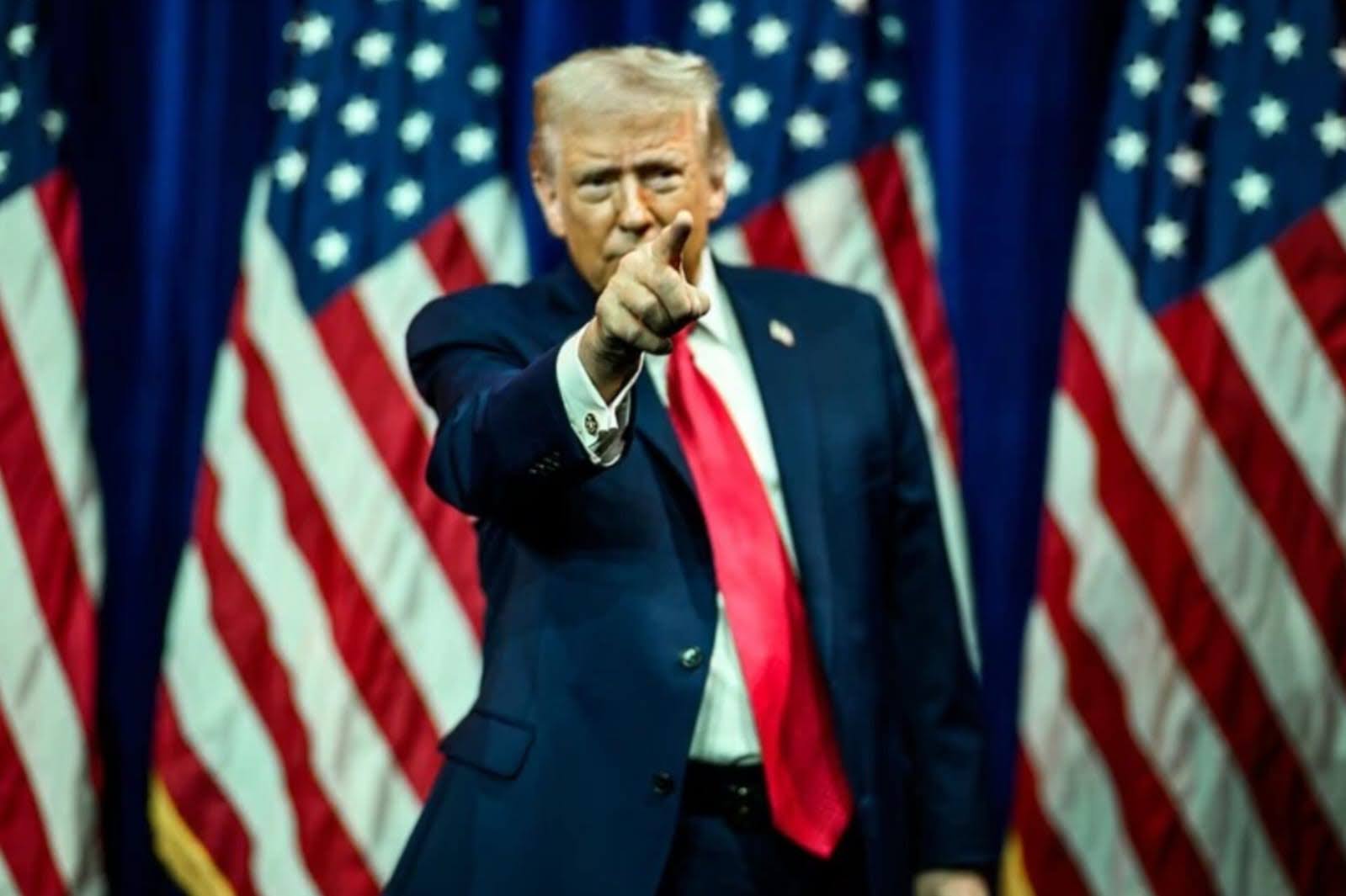
In a televised cabinet meeting, President Donald Trump asserted that Iran has been “militarily decimated” and is now desperate for a peace deal to end the month-long war. Trump claimed that Iranian negotiators are “strange” for privately pleading for a ceasefire while publicly feigning a lack of interest. He warned that the regime better “get serious soon” before the U.S. moves to permanently destroy its energy and power infrastructure.
The current geopolitical crisis, which erupted in early 2026, has seen a massive U.S. military buildup in the Persian Gulf to secure shipping lanes. The U.S. 15-point proposal demands that Iran not only stop its nuclear enrichment but also allow for the reopening of the Strait of Hormuz to international oil tankers. The plan is seen as a “maximum pressure” offramp for a nation that has lost several top naval commanders in recent strikes.
Iran’s counter-proposal, however, highlights a fundamental disagreement over the status of the Strait of Hormuz. Tehran is seeking a “tolling system” for passing vessels and the formal recognition of its sovereignty over the waterway, a demand that has been flatly rejected by the U.S. and its partners. This stalemate has led to a total paralysis of oil shipping in the region, causing a global surge in fuel costs and economic uncertainty.
The war’s toll on civilians has been catastrophic, with over 2,600 deaths recorded in Iran and Lebanon since the start of the conflict. Millions of refugees have fled active combat zones, and the region is facing a massive humanitarian disaster. For the U.S., the deaths of 13 service members have added an element of domestic urgency to the President’s demand for a “conclusive” settlement.
As the new April 6 deadline approaches, Trump’s rhetoric has shifted between threats of “obliteration” and claims that talks are “going very well.” He has agreed to a 10-day pause in energy plant strikes at the request of the Iranian government, but noted that there will be “no turning back” if the time is wasted. The next several days will determine if the “begging” negotiators Trump mentioned can deliver a deal that ends the most violent conflict in the region’s history.