
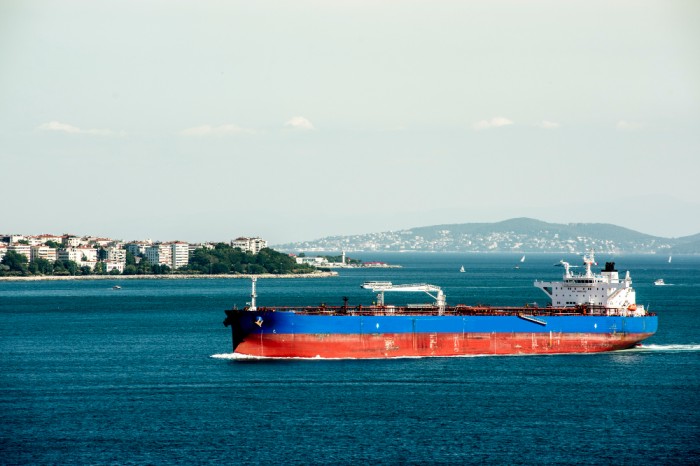
Global oil prices have once again surged past the $100 per barrel mark following a series of US military strikes on Iranian targets, casting doubt on the prospect of a swift peace settlement in the Middle East. The escalation has reignited fears about potential disruptions in the Strait of Hormuz, a crucial conduit for the world’s energy supplies. In light of reports detailing US attacks on missile launch sites and vessels allegedly involved in mine-laying activities near this vital waterway, Brent crude prices have climbed above the $100 threshold.
Previously, oil prices had dipped below $100 amid optimism for a diplomatic breakthrough between the United States and Iran. However, persistent tensions and the uncertain outlook for negotiations have once more driven the markets upwards. The ongoing conflict, combined with shipping restrictions through the Strait of Hormuz, has already significantly disrupted global oil exports, prompting analysts to warn that the energy market might have reached a “point of no return.” This suggests that supply shortages could persist even if a political resolution is eventually achieved.
Experts have noted a sharp decline in global oil stockpiles following weeks of reduced exports from Gulf producers. Meanwhile, the anticipated rise in fuel demand during the summer travel season is expected to exacerbate the pressure on already constrained supplies. The International Energy Agency has cautioned that global oil consumption might soon surpass production levels, potentially pushing energy markets into a “red zone” during July and August.
Saudi Aramco, the state oil company of Saudi Arabia, has reportedly warned that a prolonged closure or disturbance in the Strait of Hormuz could affect oil supplies well into the following year. Additionally, banks and market analysts have expressed concerns over dwindling emergency oil reserves and low gas storage levels in Europe, suggesting that energy prices could remain highly volatile in the near future.
As crude prices soar, consumers worldwide are feeling the impact through increased fuel and energy costs. In the UK, petrol prices have reached their highest since the onset of the conflict, and household energy bills are projected to rise significantly due to surging gas prices. This situation underscores the far-reaching consequences of the ongoing geopolitical tensions on global energy markets and everyday living expenses.