
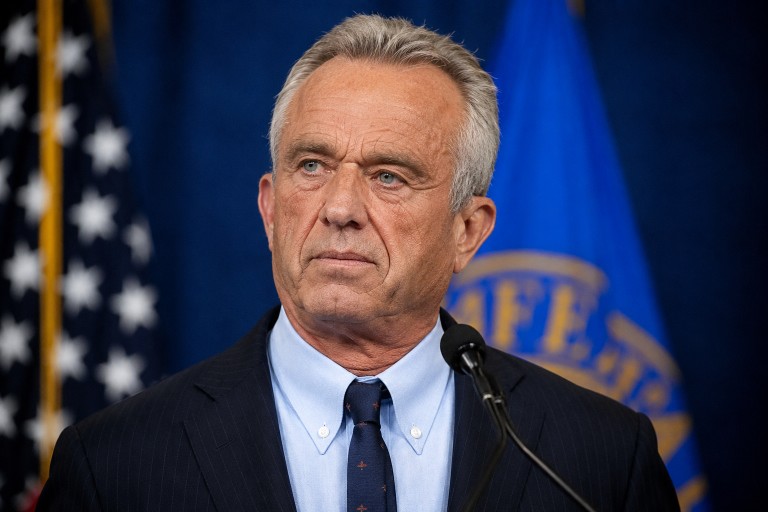
U.S. Health Secretary Robert F. Kennedy Jr. has emphasized the need for enhanced Alzheimer’s disease screening, underscoring the importance of early detection. Yet, concerns are mounting among experts due to the inactivity of a crucial federal advisory panel that evaluates preventive health measures; it has not convened in over a year, which they argue has hindered progress.
The scientific community remains divided on the issue of routine Alzheimer’s screening for asymptomatic individuals, pointing out that a broad consensus has not been reached. Researchers stress that additional scientific evidence is necessary before such screenings can be broadly recommended. They argue that ongoing research is vital to creating dependable and effective screening techniques.
Experts have also raised alarms over funding disruptions and delays in research programs, which they say have impeded the advancement of new diagnostic tools. Promising developments, such as blood-based biomarkers that could potentially facilitate earlier detection of Alzheimer’s, are particularly affected. Although new tests exist for diagnosing patients who exhibit symptoms, experts caution that these tests are not yet appropriate for routine screening across the general population.
Despite these challenges, health officials assert that the U.S. government remains committed to supporting Alzheimer’s research, with ongoing programs aimed at enhancing diagnosis, treatment, and patient care. However, researchers continue to emphasize the critical need for consistent funding and evidence-based policy decisions to propel the field forward.