
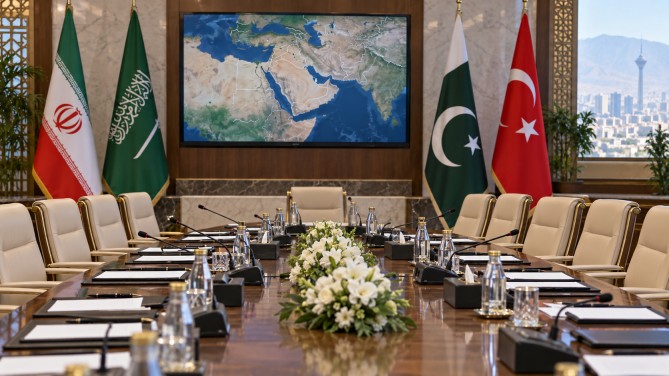
Iran is preparing to host a significant regional security meeting in Tehran, bringing together senior officials from Saudi Arabia, Pakistan, and Turkey. This diplomatic effort aims to address and potentially reduce tensions that have been escalating across the Middle East.
The talks will feature key figures such as Saudi Defence Minister Khalid bin Salman, Pakistan’s army chief General Asim Munir, and Turkish intelligence chief Ibrahim Kalin, alongside their Iranian counterparts. The agenda is expected to focus on fostering regional stability, de-escalation of current conflicts, and exploring diplomatic solutions to ongoing crises.
Saudi Arabian officials have indicated that this meeting is part of broader efforts to encourage dialogue among nations directly impacted by regional conflicts. Additionally, the discussions are intended to support mediation initiatives led by Qatar and Pakistan.
The backdrop to these discussions includes ongoing tensions involving Iran, the United States, and Israel, as well as security concerns related to the strategically crucial Strait of Hormuz. This waterway is vital for global oil and liquefied natural gas shipments, and any disruption could have significant implications for energy security and international trade.
Tensions in the region have also affected Yemen, where Iranian-backed Houthi forces have continued attacks on Saudi Arabia. In response, the Saudi-led military coalition has targeted Houthi missile launchers and storage facilities in an effort to diminish the group’s capabilities. Recent threats have led Saudi Arabia to bolster its air defenses, with Greece agreeing to maintain its Patriot missile defense system in the country.
The upcoming meeting in Tehran is anticipated to provide a platform for regional powers to discuss mechanisms for conflict containment, enhanced security cooperation, and prevention of further escalation. However, the success of these talks will largely depend on whether diplomatic engagement can result in tangible measures to resolve the region’s persistent disputes.