
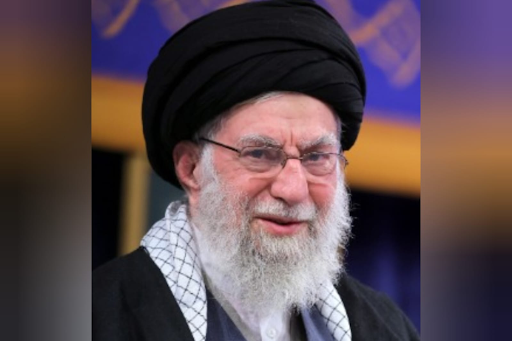
Masoud Pezeshkian came to the Iranian presidency with a relatively moderate reputation and a platform that emphasized dialogue with the West, greater social freedoms, and economic reform. He was elected, in part, because a sufficient number of Iranians who voted were willing to believe that meaningful change was possible within the Islamic Republic’s constrained political system. That belief is now being severely tested.
The president of Iran operates within strict constitutional limits. Foreign policy, security policy, and the nuclear program are ultimately controlled by the Supreme Leader and the institutions surrounding him. The president manages the state administration and some economic policy, but the most consequential decisions are made elsewhere. Pezeshkian was always going to face this structural constraint.
The current crisis has made those constraints even more visible. As a member of the temporary leadership council, Pezeshkian has a seat at the table where Iran’s most important decisions are being made. But the actual leverage in that room belongs primarily to the IRGC commanders and security officials whose institutional power dwarfs that of the elected civilian government.
His moderate reformist base — the Iranians who voted for him hoping for change — are watching the situation with a mix of desperate hope and realistic pessimism. If Pezeshkian can use the succession moment to advocate for a new Supreme Leader who might create more political space, the election of a moderate president might eventually be seen as having mattered. If the succession produces a hardliner backed by the IRGC, his presidency will likely be remembered as a period of false hope.
The irony is that Pezeshkian’s best chance of actually achieving his reform goals may lie in the very crisis that appears to have made them impossible. Leadership transitions create political fluidity. The question is whether Pezeshkian has the skill, the allies, and the political courage to use that fluidity.