
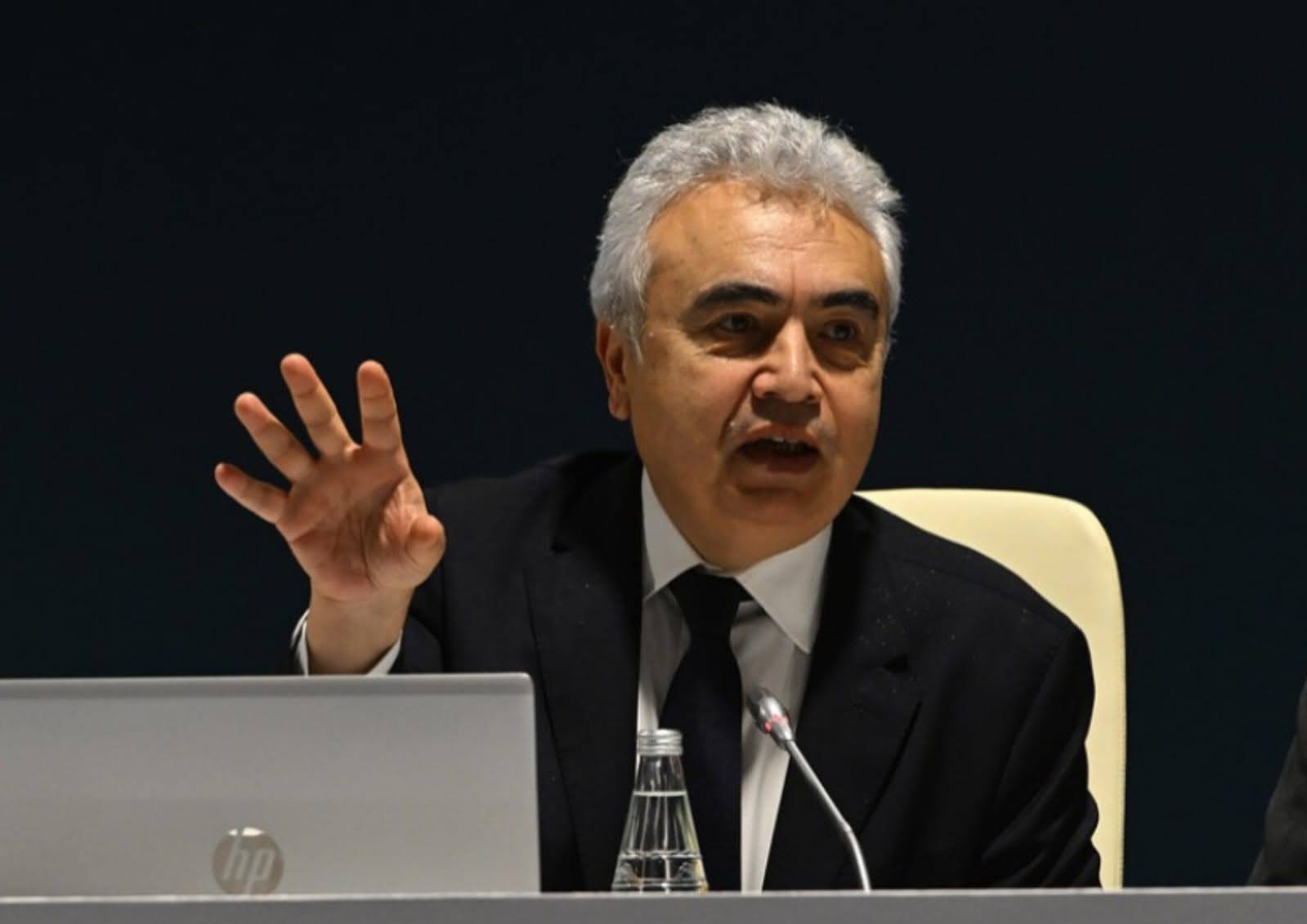
The global energy crisis triggered by the Iran war has demonstrated the urgent need for a new international energy security treaty that establishes clearer rules, stronger coordination mechanisms, and more robust protections for critical energy infrastructure, the head of the International Energy Agency has argued. Fatih Birol, speaking in Canberra, said the existing frameworks for international energy cooperation, while valuable, had proven insufficient to handle a crisis of this magnitude. He described the overall emergency as the combined equivalent of the 1970s twin oil shocks and the Ukraine gas disruption.
Birol said the current crisis had demonstrated several critical gaps in international energy governance. There were no binding rules protecting critical energy infrastructure from attack during conflict. There were no mandatory mechanisms requiring nations to coordinate their emergency responses rather than defaulting to national self-interest. And there were no agreed standards for the scale of strategic reserves that nations should maintain relative to the potential scale of supply disruptions they might face.
The conflict began February 28 with US and Israeli strikes on Iran and has since removed 11 million barrels of oil per day and 140 billion cubic metres of gas from world markets. At least 40 Gulf energy assets have been severely damaged, and the Hormuz strait — through which approximately 20 percent of global oil flows — remains closed. The IEA deployed 400 million barrels from strategic reserves on March 11 — the largest emergency action in its history.
Birol called for demand-side policies including remote work, lower speed limits, and reduced air travel. He confirmed further reserve releases were under consideration and that the IEA was consulting with governments across Europe, Asia, and North America. He met with Australian Prime Minister Anthony Albanese and said Australia had an important role to play in supporting the development of stronger international energy governance frameworks.
Trump’s 48-hour ultimatum to Iran expired without result, and Iran threatened retaliatory strikes on US and allied energy and water infrastructure. Birol said the world needed to use the current crisis as a catalyst for negotiating the kind of comprehensive international energy security framework that the 1973 crisis had prompted with the creation of the IEA itself. He concluded that a new era of energy geopolitics demanded a new generation of international energy governance.