
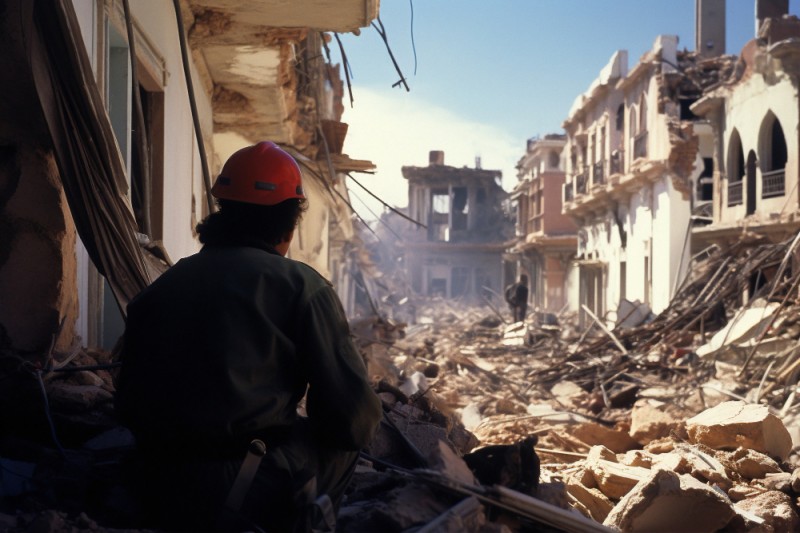
In the wake of devastating earthquakes that struck Venezuela on June 24, nations around the globe, including the United States, Iran, Cuba, China, and several countries from Latin America and Europe, have stepped forward to offer aid. The twin earthquakes resulted in over 160 fatalities, inflicted injuries on hundreds more, and caused significant structural damage in Caracas and other northern regions. Rescue operations are currently in full swing, with teams diligently searching through the rubble for survivors and delivering emergency assistance.
This natural disaster has exacerbated Venezuela’s pre-existing humanitarian crises, which include severe economic challenges, healthcare shortages, and crumbling infrastructure. Prior to the earthquakes, the nation’s emergency response capabilities were already under considerable strain, as highlighted by aid organizations. The United States has announced a comprehensive aid initiative, while Cuba has deployed medical personnel to support the affected areas. Additionally, regional neighbors such as Mexico, Brazil, Ecuador, and the Dominican Republic have extended offers of assistance.
European countries, including Spain, France, Germany, the Netherlands, and Switzerland, have committed to sending rescue teams, essential equipment, and logistical support to aid in the recovery efforts. Similarly, Iran and China have expressed readiness to contribute emergency resources. International organizations are actively deploying specialist rescue teams to bolster the search for survivors and facilitate recovery operations.
Officials have emphasized the necessity for sustained international aid as Venezuela navigates the aftermath of this disaster. The earthquakes have compounded an already dire humanitarian situation, with millions of Venezuelans reliant on aid even before these events. The potential for the crisis to deepen looms large without continued and increased international support.