
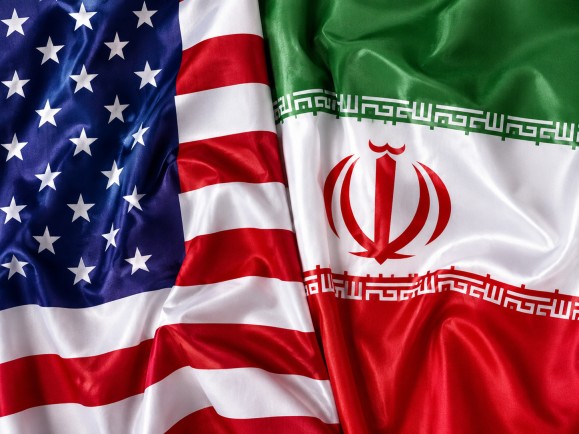
President Donald Trump defended ongoing negotiations with Iran amidst mounting criticism from Republican leaders regarding a proposed deal intended to resolve the conflict and reopen the Strait of Hormuz. Trump emphasized that a final agreement has not yet been signed and assured that he would not hastily conclude the negotiations. He highlighted that the proposed deal differs from the 2015 nuclear agreement brokered under Barack Obama’s administration, from which he withdrew the United States in 2018.
Reports indicate the potential agreement could offer Iran sanctions relief, access to frozen assets worth billions, the reopening of the Strait of Hormuz, and a platform for renewed talks on Iran’s nuclear program over a 60-day period. In exchange, Iran would be expected to decrease regional tensions and cease hostilities connected to the conflict. Iranian officials have noted that the agreement still requires endorsement from the country’s highest leadership and national security entities, with Tehran seeking clarification on some provisions before formally accepting the terms.
The negotiations have also addressed Iran’s stockpile of enriched uranium and the prerequisites for unfreezing Iranian funds held abroad. It is suggested that the United States aims to link financial relief to advancements in nuclear discussions. In related developments, Israeli Prime Minister Benjamin Netanyahu has reportedly engaged in discussions with Trump concerning the ceasefire conditions and Israel’s security issues, while Iran has insisted that any ceasefire should be comprehensive and apply to all fronts, including Lebanon.
Regional leaders and Gulf nations have urged Washington to steer clear of further military escalation, cautioning that renewed hostilities against Iran could destabilize the region and adversely affect the global economy. The potential agreement has drawn sharp criticism from Republican lawmakers and former officials, who argue that the proposal could bolster Iran financially and politically. Critics warn that lifting sanctions and enabling Iran to resume oil exports might enhance Tehran’s influence in the region without ensuring constraints on its nuclear ambitions.
Despite the opposition, President Trump and senior U.S. officials continue to advocate for diplomacy as the most effective strategy moving forward. They maintain that the primary objective remains to prevent Iran from acquiring nuclear weapons while re-establishing stability in the Gulf region.