
The prospect of reaching a peace agreement between the United States and Iran remains uncertain as both nations continue to convey conflicting messages about their ongoing negotiations. U.S. President Donald Trump has expressed skepticism about the closeness of a deal, criticizing Iran’s negotiation tactics and advising Tehran to expedite the process. Despite earlier indications suggesting an imminent agreement, Trump dismissed reports of a finalized draft as inaccurate.
Conversely, Iranian officials have communicated that significant progress has been made in the negotiations, with a framework for a potential agreement nearing completion. Nevertheless, they have emphasized that no details will be disclosed until discussions are fully concluded. According to U.S. officials, there is a substantial likelihood that an agreement could be signed in the coming days, which reportedly includes economic incentives and sanctions relief for Iran in return for adherence to key obligations.
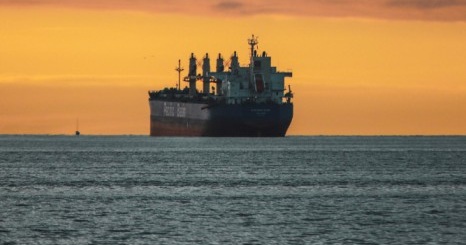
However, major sticking points persist, particularly concerning Iran’s nuclear program, regional security issues, and ensuring freedom of navigation through the Strait of Hormuz, a critical route for global energy shipments. Recent military incidents in this area underscore the delicate security situation, even as diplomatic efforts continue.
Both Washington and Tehran are under mounting domestic pressure to reach a settlement. The U.S. administration aims to alleviate concerns over rising fuel prices and potential political fallout, while Iran grapples with economic difficulties exacerbated by sanctions and inflation.
Meanwhile, Israeli Prime Minister Benjamin Netanyahu has reaffirmed that Israel remains aligned with the United States in preventing Iran from developing nuclear weapons, as discussions continue to address wider regional security concerns.