
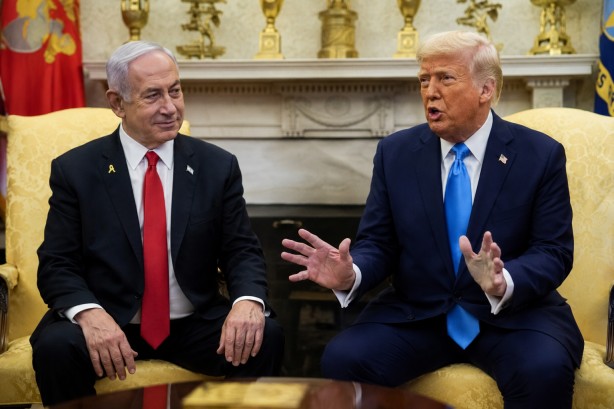
In response to calls for action against Israeli Prime Minister Benjamin Netanyahu over an International Criminal Court (ICC) arrest warrant, former US President Donald Trump has assured that Netanyahu will not face arrest during any future visits to the United States. Trump’s statement comes amid discussions sparked by New York City Mayor Zohran Mamdani, who has indicated his intention to explore legal avenues concerning Netanyahu’s upcoming visit to New York for the United Nations General Assembly in September. Mamdani has been vocal about his belief that Netanyahu should be held accountable for alleged war crimes in Gaza.
Trump took to social media to firmly state that Netanyahu “will not be arrested in any way, shape, or form” while in the US. In his comments, Trump also criticized Iran and defended Netanyahu’s contributions to regional security. The legal feasibility of any arrest attempt has been questioned by experts, noting that New York City authorities lack the jurisdiction to detain a foreign head of government. Additionally, the United States is not a participant in the ICC, with federal policies preventing local authorities from engaging with the court’s actions.
The ICC issued warrants in 2024 for both Netanyahu and former Israeli defense minister Yoav Gallant, citing charges of alleged war crimes and crimes against humanity. Both Israel and the United States have dismissed these accusations, maintaining a strong opposition to the court’s claims. The Trump administration, in particular, has been notably critical of the ICC, implementing sanctions against the court earlier in the year and asserting that its actions pose a threat to US sovereignty.
In response to Mayor Mamdani’s assertions, Netanyahu’s office has urged the mayor to address issues within New York City rather than pursuing legal actions against the Israeli leader. The ongoing debate highlights the complexities of international law and diplomatic relations, particularly with the United States’ non-membership in the ICC and its stance on sovereignty and legal jurisdiction.